How Private Labeling and Brand Empowerment Drive Margin Growth for Smoking Accessory Wholesalers
Sep. 02, 2026
The Shift from Generic Sourcing to Brand Equity
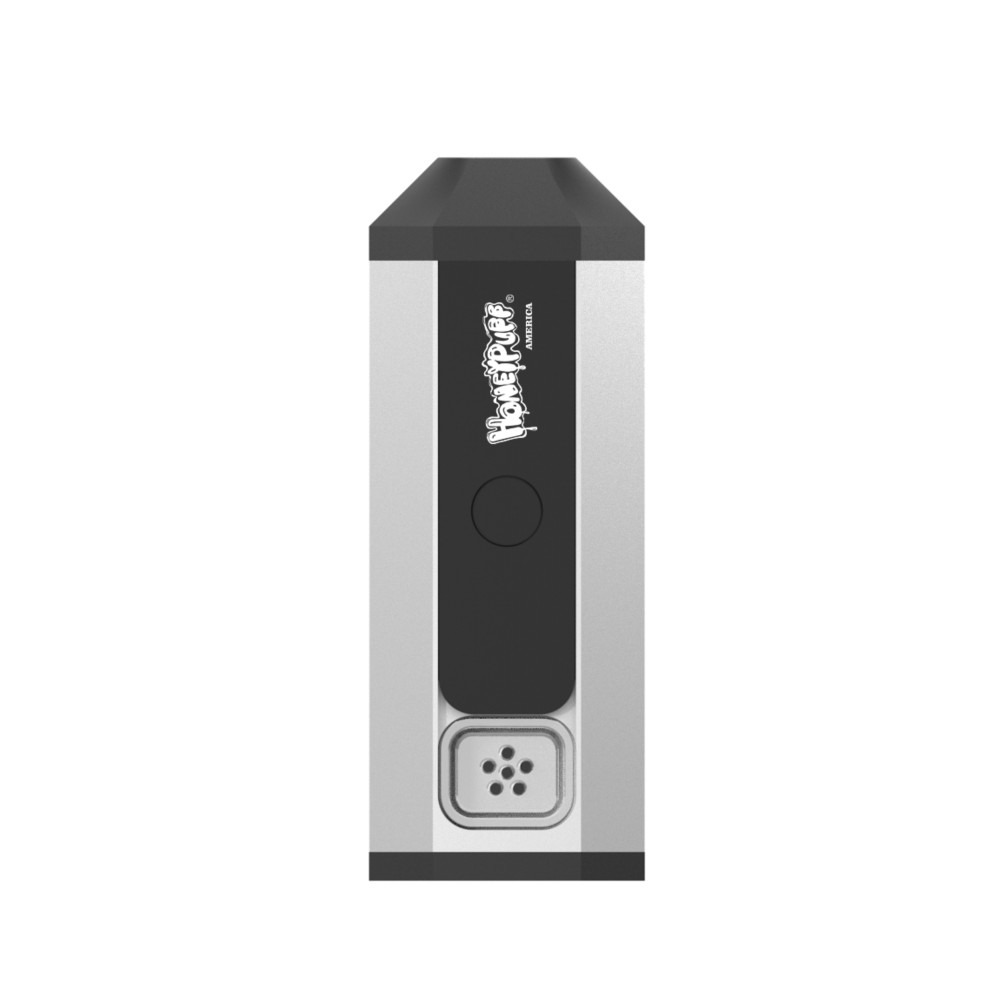
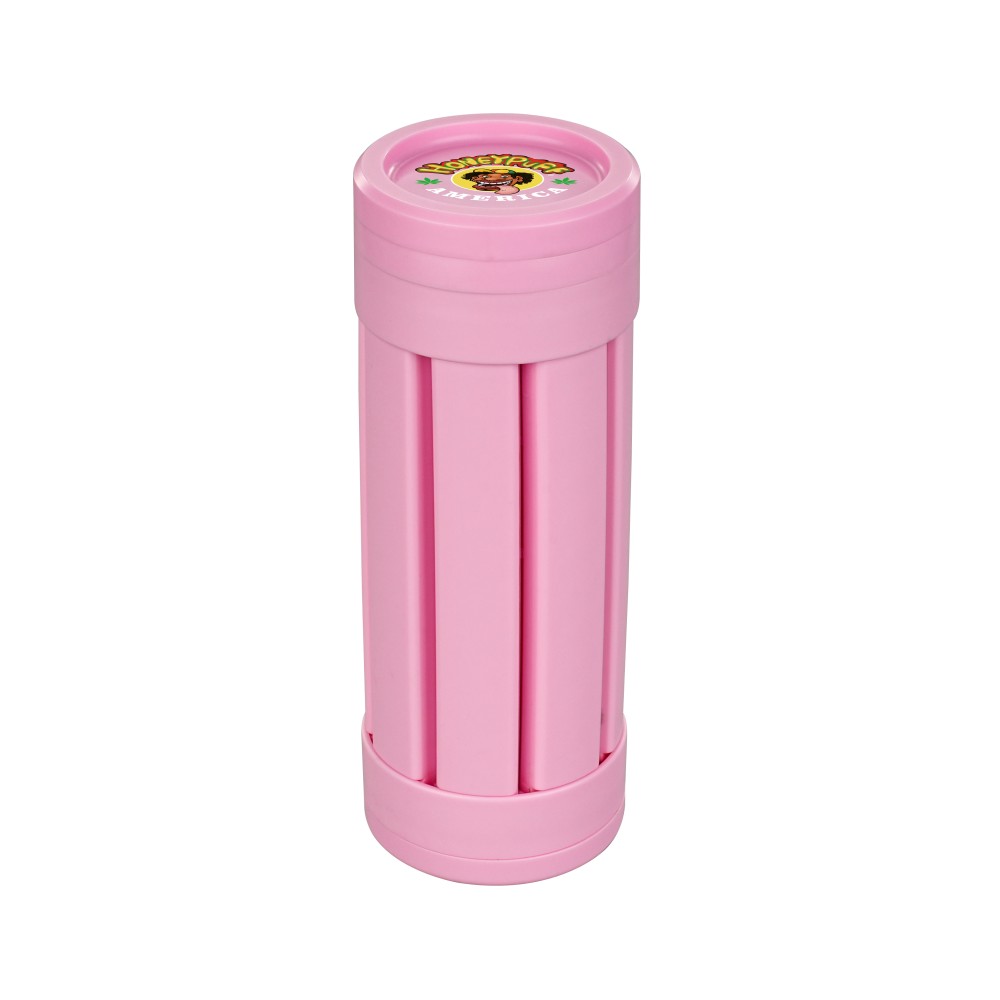
Distributing unbranded, generic smoking accessories exposes wholesalers to intense price competition and shrinking operating margins. In today's global smoking accessories market, sustainable profitability requires moving away from generic commodities toward Brand Empowerment and Private Label Sourcing.
Building a proprietary brand identity allows distributors to capture retail margins, foster long-term customer loyalty, and shield their businesses from price wars.
Key Pillars of Private Label Brand Empowerment
Developing a private label hardware or paper line requires selecting an established OEM/ODM manufacturing partner capable of executing end-to-end brand realization.
[ Factory R&D & IP Capabilities ]
│
▼
[ Custom Tooling & Prototyping ]
│
▼
[ Multi-Material Manufacturing (CNC, Mold, Print) ]
│
▼
[ Brand Surface Finish & Logo Application ]
│
▼
[ Custom Retail Packaging & Consolidated Shipping ]
1. Leveraging Patent Portfolios and R&D Capabilities
Designing completely new products from scratch requires significant capital investment in engineering and tooling. Partnering with a manufacturer holding extensive patent portfolios (such as 400+ active patents across grinding tools, rolling boxes, and smoking hardware) allows brands to license proven designs while modifying aesthetics, materials, and logos.
2. Specialized Logo and Branding Technologies
Customizing products requires applying branding techniques suited to specific material substrates:
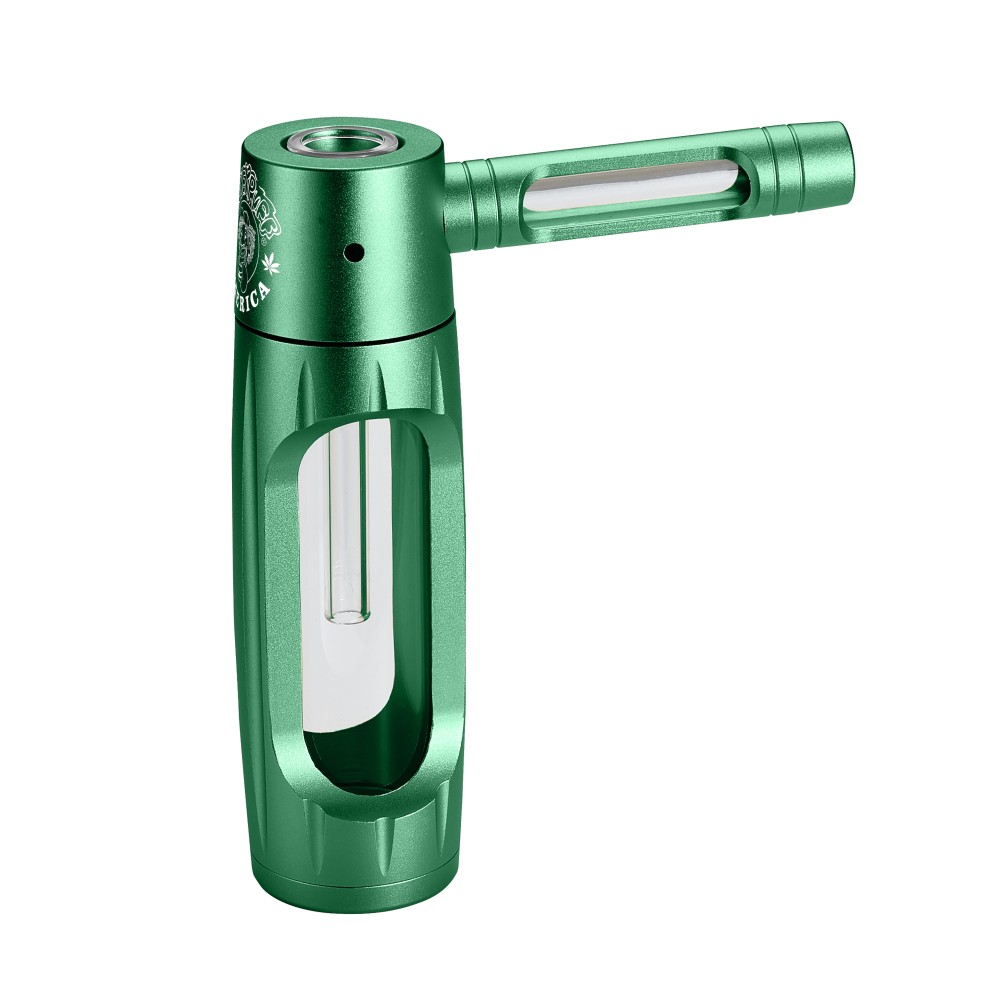
Laser Engraving: Permanent branding for anodized aluminum grinders and metal pipes without using chemical inks.
Water Transfer Printing: Enables 360-degree full-wrap graphic patterns on bongs, trays, and rolling boxes.
3D UV Printing & Silk Screen: Delivers textured, colorful logos directly on plastic, metal, and glass surfaces.
Embossed Watermarking: Incorporates crisp brand logos directly into rolling paper sheets during pulp conversion.
3. Custom Packaging Solutions
Packaging serves as the primary visual touchpoint for retail sales. Complete OEM services should offer scalable packaging configurations, including custom display boxes, tinplate presentation cases, rigid gift boxes, and child-resistant foil bags.
Mitigating Supply Chain Risks
Developing a private label product line introduces operational considerations around minimum order quantities (MOQs), quality assurance, and shipping logistics:
Vendor Consolidation: Sourcing grinders, papers, pipes, and packaging from a single manufacturing group simplifies purchase orders and reduces freight consolidation costs.
Factory-Direct Communication: Eliminating trading intermediaries speeds up engineering revisions, lowers unit costs, and improves delivery timelines.
Conclusion: Accelerating Business Growth
Private labeling shifts a wholesale distributor's focus from competing on price to building long-term equity. By partnering with established manufacturing groups like Hong Kong Starbuss Technology Group Co., Ltd.—backed by 30 years of manufacturing experience, four specialized production bases, and global distribution networks—brands can expand their presence across global markets.
-
Previous:
None