CNC Machining vs. Metal Die-Casting: Selecting the Right Herb Grinder Production Method for Your Brand
Sep. 02, 2026
Introduction to Metallic Grinder Manufacturing
For B2B buyers, distributors, and brand owners in the smoking hardware space, selecting an herb grinder product line involves balancing unit costs with long-term brand durability. The structural performance of a metal grinder depends on its core manufacturing process.
The market is primarily split between two production methodologies: Die-Cast Zinc Alloys and CNC-Machined Aircraft Aluminum. Understanding the engineering differences between these methods helps brands protect their market reputation and make informed procurement decisions.
Die-Casting Process Overview
Die-casting involves injecting molten metal—typically zinc alloy—into pre-shaped steel molds under high pressure.
Manufacturing Characteristics: High-speed production capability with minimal raw material waste.
Cost Structure: Low unit costs make die-casting ideal for promotional products, entry-level retail items, and mass wholesale orders.
Operational Limitations: Cast metals are prone to microscopic internal air pockets. Over time, physical stress can cause thread wear, metal flaking, or structural misalignment.
CNC Machining Process Overview
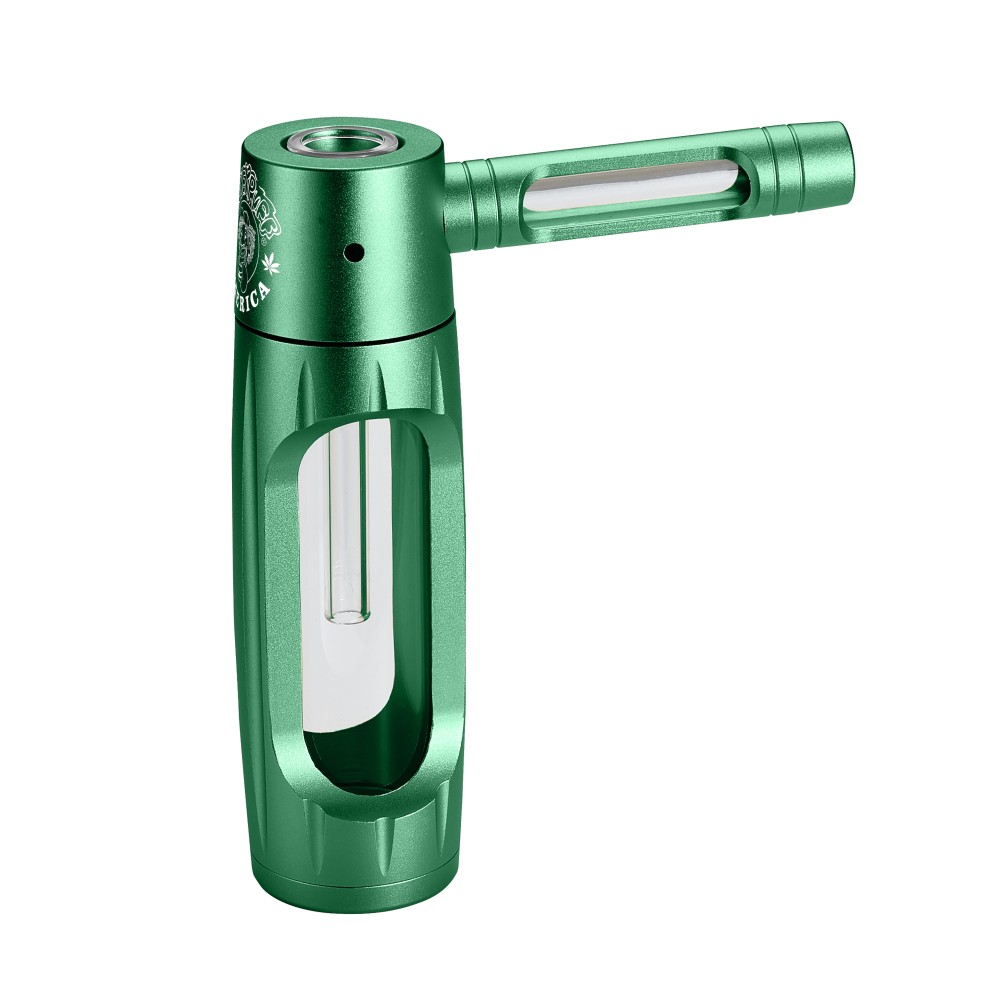
Computer Numerical Control (CNC) machining carves each grinder component directly out of solid billets of aircraft-grade aluminum or brass using automated cutting tools.
Manufacturing Characteristics: High machining accuracy with sub-millimeter tolerances.
Cost Structure: Higher initial material and machining cost, balanced by long product lifespan and premium positioning.
Performance Advantages: Eliminates thread locking, prevents structural distortion, and allows for complex diamond-cut teeth patterns.
|
Feature / Attribute |
Die-Cast Zinc Alloy |
CNC Machined Aluminum |
|
Raw Material Base |
Zinc Alloy Compounds |
Solid Aircraft Aluminum Billets |
|
Structural Integrity |
Moderate (Possibility of casting voids) |
High (Solid block structural strength) |
|
Thread Precision |
Standard (Prone to wear over time) |
Ultra-Smooth (Machined friction-free threads) |
|
Surface Finishing Options |
Electroplating, Spray Painting, Water Transfer |
Premium Anodizing, Sandblasting, Laser Engraving |
|
Unit Production Cost |
Low to Medium |
Premium / High-Value |
|
Target Retail Positioning |
Mass-market, impulse retail, value bundles |
Premium retail, lifestyle brands, dispensary collections |
Surface Treatment Technologies: Electroplating vs. Anodization
Surface finish selection directly impacts product durability and safety:
Anodized Aluminum: An electrolytic process fuses protective oxide layers directly into aluminum surfaces. This creates a scratch-resistant finish that will not chip or flake into ground herbs.
Electroplated Zinc Alloy: Applies metallic layers (such as chrome, nickel, or faux gold) over zinc substrates. While visually appealing, lower-grade electroplating can wear away with frequent friction.
Sourcing Strategy for B2B Procurement
To build a balanced catalog, distributors should match manufacturing methods to customer profiles:
Use Die-Cast Zinc Alloy Products For: High-volume entry-level market coverage, promotional giveaways, and budget wholesale channels.
Use CNC Aluminum Products For: Core flagship product lines, brand building, premium retail placement, and dispensary retail partnerships.
-
Next:
None